Multidisciplinary Pediatric Thyroid Cancer Clinic

Multidisciplinary Pediatric Thyroid Cancer Clinic Offers Integrated Care Model
UCSF Benioff Children’s Hospitals have launched a multidisciplinary Pediatric Thyroid Cancer Clinic to provide comprehensive, research-driven care for children and adolescents with thyroid cancer. Through this clinic, patients have access to multiple clinical trials specifically for pediatric thyroid cancer.
Key differences in pediatric thyroid cancer
Thyroid cancer is far more common in adults than in children. It presents differently when diagnosed in children, and adult treatment protocols may not be appropriate for young patients.
“Thyroid cancer in children is fundamentally different from what we see in adults,” explains Maya Lodish, MD, pediatric endocrinologist and director of the UCSF Pediatric Thyroid Cancer Clinic. “Children often have more advanced disease at diagnosis, with more frequent lymph node involvement and distant metastases. However, with the proper treatment, pediatric patients have excellent long-term prognosis.”
The team addresses pediatric challenges with a specialized approach. They deliver individualized care using data from mutational analysis when available. They determine appropriate treatment plans that follow standards of care while minimizing complications that could affect growing children. The team also manages developmental needs, impacts on growth and puberty, fertility preservation and mental health.
Why a multidisciplinary approach matters
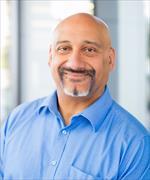
The clinic’s leadership team includes pediatric endocrinologists Lodish and Tina Hu, MD, and pediatric oncologist Arun Rangaswami, MD. Together with fellow physicians, advanced practice providers, genetic counselors and nurses, they provide an expert blend of thyroid disease management and oncology expertise.
“A multidisciplinary approach allows us to meet the unique needs of our young patients,” says Lodish. “We provide an integrated care model, from diagnosis through surgery, radioactive iodine treatment, and long-term monitoring and follow-up.”
The clinic also partners with a tumor board. Specialists review cases and develop customized treatment plans. These experts include:
- Endocrinologists
- Oncologists
- Otolaryngologists
- Radiologists
- Radiation oncologists
- Pathologists
- Molecular pathologists
- Genetic counselors
Research and precision medicine
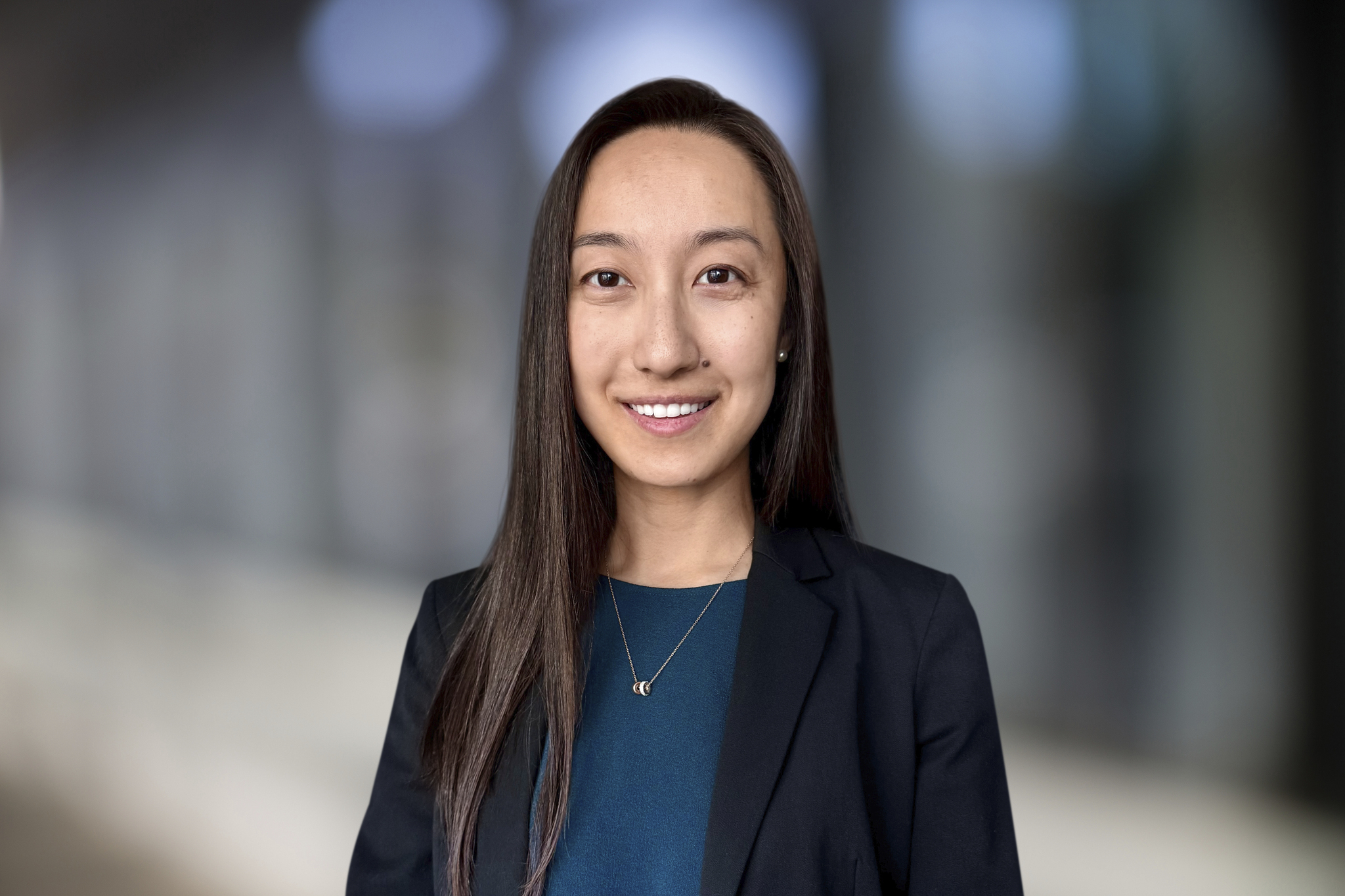
Clinical trials are a key part of the clinic’s care. The team is currently enrolling patients in three national studies. UCSF is one of only two sites on the West Coast to offer these trials.
“As an institution, we have collected a large number of patient cases for research,” says Hu. “This allows us to analyze trends, recurrence and disease patterns in pediatric thyroid cancer.”
Current research efforts include:
- Larotrectinib for NTRK fusion DTC
- Targeted therapy for metastatic DTC
- Selpercatinib for RET fusion DTC
“These trials will shape the future of pediatric thyroid cancer care,” says Rangaswami.
Because many pediatric thyroid cancers occur with hereditary cancer syndromes, the clinic works closely with the UCSF Pediatric Hereditary Cancer Clinic.
Referring patients to the Pediatric Thyroid Cancer Clinic
The clinic welcomes referrals for children and adolescents with:
- Newly diagnosed thyroid nodules or thyroid cancer
- Recurrent thyroid cancer
- Complex thyroid cancer cases
- Previously treated thyroid cancer requiring ongoing surveillance
- Hereditary cancer syndromes
For referrals or consultations, contact the clinic through the UCSF Benioff Children’s Hospitals referral form.
The next step in pediatric thyroid cancer care
“Our goal is to cure pediatric thyroid cancer and maximize quality of life,” Lodish says. “Precision medicine and collaborative research will help us accomplish this goal.”