UCSF Offers Minimally Invasive Fetal Surgery for Myelomeningocele
 In 1981, UCSF specialists performed the world’s first fetal surgery. Today, UCSF Health serves as a high-volume tertiary and quaternary referral hub for complex fetal conditions, bringing together multidisciplinary expertise across maternal-fetal medicine, fetal surgery, pediatric surgery, neurosurgery, neonatology, radiology, and long-term pediatric subspecialty care.
Now among a select group of centers to offer minimally invasive fetoscopic surgery for myelomeningocele (MMC), a severe form of spina bifida, UCSF is filling a critical need in California and throughout the West Coast. Carefully selected patients have access to this advanced fetal treatment option within a world-renowned, comprehensive center that can also provide open fetal surgery, postnatal repair and nonoperative pregnancy management.
Akos Herzeg, MD, PhD
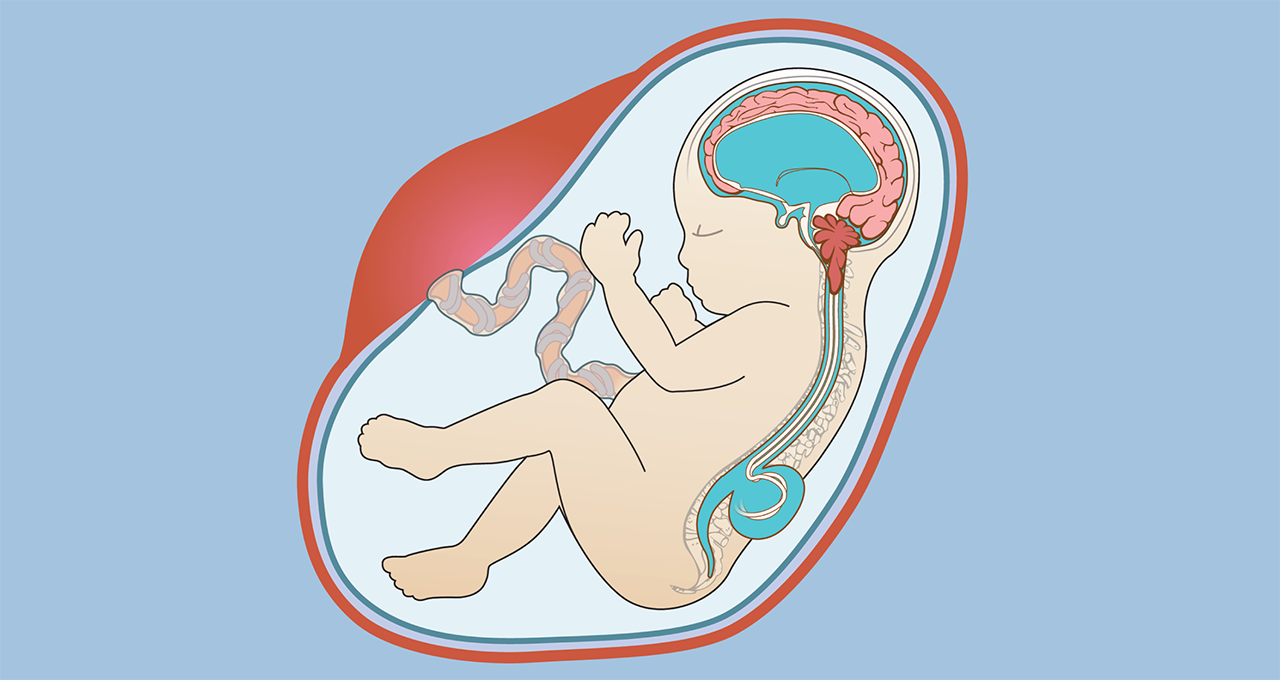
In babies with MMC, the vertebral arches in the spine and overlying tissue do not fully close. This leaves an opening through which the spinal cord and its protective coverings protrude into a sac or space on the baby’s back, exposing these structures to injury and the chemical burn of amniotic fluid, which may contribute to progressive neurologic damage during pregnancy. Prenatal closure can halt this process and may reduce neurologic injury.
Building on fetal surgery excellence
UCSF has led advances in fetal surgery for decades, including the landmark Management of Myelomeningocele Study (MOMS), published in the New England Journal of Medicine in 2011. This randomized trial showed that open prenatal MMC repair, compared with postnatal repair, decreased the need for hydrocephalus treatment and improved motor outcomes. The study was completed early because prenatal repair showed clear clinical benefit in appropriately selected patients.
“Before fetal surgery, many of these babies faced severe cognitive and motor functional challenges,” explains Akos Herzeg, MD, PhD, a maternal-fetal medicine specialist and fetal surgeon at UCSF. “Long-term exposure to amniotic fluid causes significant damage to the spinal structures. Closing the spinal defect early in pregnancy improves neurological outcomes and reduces dependency on shunts, which require lifelong maintenance and carry risks of infection and malfunction. At the same time, these children still require comprehensive long-term care, including neurosurgical, urologic, orthopedic, rehabilitative and developmental follow-up.”
Fetoscopic techniques aim to preserve fetal neurologic benefit while reducing maternal morbidity and uterine scarring compared with open hysterotomy-based fetal surgery.
Gabriella Grisotti, MD, PhD,
The path to minimally invasive options
“The technology and insights we needed for minimally invasive approaches were not yet mature a few decades ago,” says Gabriella Grisotti, MD, PhD, pediatric and fetal surgeon at UCSF. Experimental fetoscopic MMC repair began as early as 20 years ago, but these first attempts faced technical challenges. Limited camera resolution, inadequate understanding of fetal physiology during the procedure and complications led many centers to pause their minimally invasive programs.
“We knew from the open procedure that prenatal intervention can improve neurologic outcomes for the baby, and we were safely performing the open fetal procedure at UCSF,” Grisotti continues. “The main drawback was the maternal impact: the pregnant patient required a major abdominal surgery and a cesarean delivery for all future deliveries, carrying a higher risk of complications and a longer recovery.”
Advances in high-definition fetoscopic cameras, precision tools, refined surgical techniques and precise intraoperative control of temperature and humidity eventually made the minimally invasive procedure feasible.
“Data and accumulated experience have shown that the fetoscopic procedure can achieve the key goals of prenatal MMC closure: covering the neural defect, stopping cerebrospinal fluid leakage and protecting neural structures from amniotic fluid,” Herzeg says. “Importantly, these goals can be achieved even though the fetoscopic closure is not the traditional anatomic, layer-by-layer reconstruction. In many successfully completed cases, fetoscopy may achieve primary repair of the spinal defect, although individual outcomes vary and children may still require postnatal neurosurgical, urologic, orthopedic and rehabilitative care.”
The UCSF approach
Winson Ho, MD
UCSF’s fetoscopic technique balances the benefits of a minimally invasive approach with surgical precision. Using a hybrid fetoscopic method, the team first exposes the uterus through a maternal abdominal incision. Then, they place small uterine ports under ultrasound guidance and direct visualization to access the amniotic cavity.
Compared with a fully percutaneous approach, this strategy can improve instrument control and allow secure closure of the port sites at the end of the procedure. This surgery is offered to selected patients after comprehensive multidisciplinary evaluation and counseling through the UCSF Fetal Treatment Center and the UCSF Fetal Neurology Center of Excellence.
For some patients who undergo fetoscopic repair, vaginal delivery may be possible when obstetrically appropriate, avoiding the risks and recovery associated with an open fetal procedure and a cesarean delivery. In addition, because fetoscopic repair avoids the large uterine incision used in open fetal surgery, it may reduce uterine scar burden and associated risks in future pregnancies, including risks related to abnormal placentation and uterine rupture.
“Secure closure of the uterine port sites after surgery significantly reduces the risk of premature rupture of membranes – a complication still seen with fully percutaneous approaches,” Herzeg says.
Multidisciplinary expertise
UCSF’s fetoscopic MMC program leverages the institution’s deep bench of skilled specialists in fetal surgery and complex fetal conditions.
“Our multidisciplinary approach brings together the full range of expertise,” explains Winson Ho, MD, pediatric neurosurgeon at UCSF. “Our entire team in the operating room, including anesthesiologists, neonatologists and surgical nurses, has extensive experience with fetal surgery. That coordination is essential not only during the fetal procedure, but also for the long-term care these children may need after birth.”
“Having experience in both open and fetoscopic techniques provides important advantages,” says Herzeg. “If technical factors, complications or fetal positioning prevent completion of the minimally invasive procedure, our team has the expertise to reassess the safest path forward, including conversion to open surgery when appropriate.”
Addressing a regional need
Currently, only a handful of West Coast fetal centers perform fetoscopic MMC repair. Families in California, Nevada, Oregon, Hawaii, Alaska and surrounding regions often travel hundreds or thousands of miles for care.
“Fetal surgery centers are spread out across the United States,” Grisotti says. “By offering it at UCSF, we’re helping families who might not otherwise have access to this care.”
Referrals and consultations
UCSF is now evaluating patients for fetoscopic MMC repair. The ideal window for the procedure is between 19 and 26 weeks of gestation, aiming to proceed at approximately 24 to 25 weeks when feasible.
Initial evaluation and consultation can begin as soon as spina bifida is diagnosed. Complete evaluation may occur later, and will include comprehensive multi-day imaging, evaluation and counseling.
This timeline balances early intervention to protect the spinal cord with fetal maturity to improve surgical outcomes and reduce prematurity risks.
For patients who may not be candidates for fetoscopic repair, UCSF continues to offer prenatal open fetal surgery, postnatal neurosurgical closure and comprehensive long-term spina bifida follow-up. This allows all eligible families to have access to the approach that best fits their clinical circumstances and personal goals.
For all patients, UCSF provides comprehensive pregnancy management, coordinated delivery planning and seamless transition to our pediatric neurosurgery team for timely postnatal treatment as needed, with other pediatric subspecialists available.
By combining pioneering expertise in fetal surgery, experience in both open and minimally invasive procedures and multidisciplinary care before and after birth, UCSF offers a comprehensive destination program for MMC.
For referrals or consultations, contact the Fetal Treatment Center.